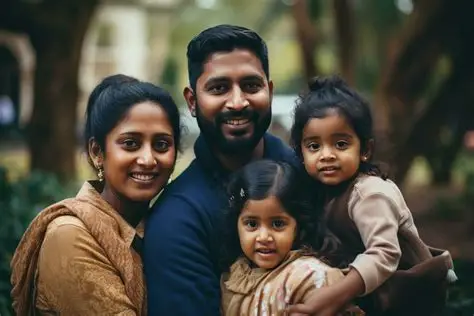
Creating a family through adoption is a wonderful experience, and through a child joining your family, new relationships are made and new dreams are formed. Alongside this, having a child naturally puts stress onto the relationship you share with your partner.

Through attending this workshop, you will learn techniques to maintain the quality of your relationship and further equip yourself for parenthood.

During the workshop, we will focus upon:

  • Supporting the foundation of your partnership
  • Strengthening your friendship
  • Managing conflict
  • Creating shared meaning within your family

This workshop will explore the complex area of discussing adoption with your child,
including the words you might use and how you might talk to your child so that they
understand this important part of their story.

During the workshop, we will discuss:

  • The ages and stages of a child’s level of understanding around adoption
  • Finding helpful words around “telling” the story
  • Considering the challenges you and your child might face
  • Helping to build your confidence

This will be a useful workshop space for parents who are building the foundations of their child’s life story work, as well as for parents who are progressing onto the more sensitive parts of their child’s early history.

Our Life Story Telling Group is designed with our families of identified children in mind,
whose children are in placement. In this small welcoming group setting, adopters of identified children have the opportunity to build confidence and enhance their skills around talking to their child about adoption through creating their child’s life story book.

The group space also offers an interactive programme of learning using videos and
discussions on key issues in adoption, children’s identity development, and the ways in
which culture and values can play a positive role in shaping this.

The group is a helpful space for adopters of identified children to grow, develop, support
one another, share helpful parenting approaches, and tap into additional resources.

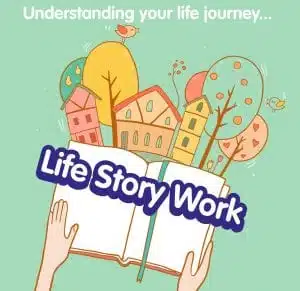
Our lives are a collection of stories, and for adopted children, some of those stories are lost, confusing, and painful. Adopted children often struggle to make sense of what has happened in their lives and why, and it can sometimes feel like a struggle to find the right words to explain the most sensitive parts of our child’s history. One of the most powerful
tools to help children understand concepts and ideas is through the use of stories, and there is no story more powerful than your child’s own.

Life story books are a helpful tool to support your child’s understanding of where they came from, where they are today, and what may be possible in the future. Join us to learn how to create a book that positively affirms who your child is, while giving them language and context around how they came to be adopted.

During the workshop, we will focus upon:

  • Making a life story book
  • Telling your child’s story
  • Using a life story book

Whether you are just beginning to think about how to use a life story book with your child or would like tips to enhance a book you have already created, this workshop is for you.

Also an option to purchase a blank Life Story Workbook will be given.

Having a sense of community and compassionate support are important for all families, but
especially for families who come together through adoption. Our Family and Friends Workshop is a space just for your loved ones, and it is designed to provide them with information, guidance and tips about adoption, coming together as an adoptive family, and how they may helpfully support you along your family’s journey.

The workshop is a great space for your family and friends, regardless of where you are in
the adoption process, but it is especially helpful for families who are waiting, matched, or
recently had their child placed with them.

For prospective and approved adopters who have birth children living in the family.

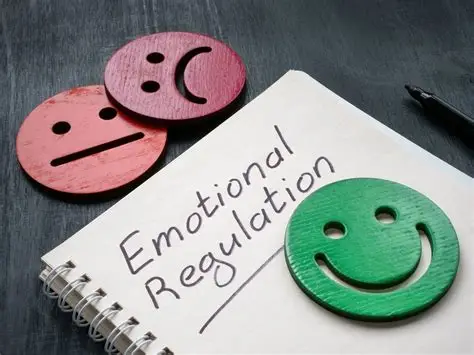
Emotions are fundamental to human experience and play an important role in development,
across childhood in both neurotypical and neuro divergent children.

In infancy, emotional regulation helps form critical bonds with caregivers and establishes the foundation for social skills, Academic success, Physical health and stress management. In teens, emotions become more complex, contributing to identity formation, social relationships, and decision-making.

Throughout childhood, parents and caregivers are instrumental in guiding emotional development from offering co-regulation and secure attachment in infancy to providing emotional coaching, boundary-setting, build resilience and coping strategies from childhood to
teenagers.

  • The course will cover both Neurotypical and Neuro divergent children.
  • Role of neuroscience in understanding emotional regulation
  • Attachment bonding, impact of trauma
  • Understanding effect of home and school environment in emotional regulation in childhood
  • Helping adolescents in emotional regulation  
  • Childhood trauma and its impact on adulthood

Who will benefit from this training?

Paediatricians, Psychologists, Special educators, Social workers, Teachers ,School counsellors and Parents.

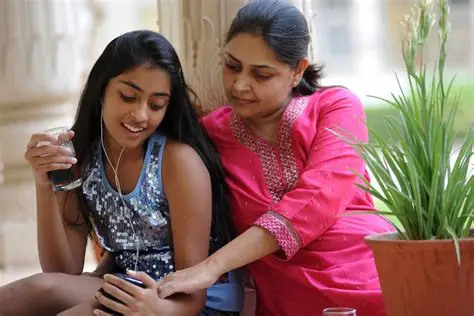
Becoming a teenager can feel like an enormously tricky time of development. Young people suddenly find themselves needing to navigate all sorts of things, such as parent and teacher expectations, body changes, mood swings, the pull of social media, friendship groups, and seeking to belong and be part of the “in crowd”. It can be exhausting to keep up with. For adopted children, they are also grappling with making sense of their identity and what it means for them to be adopted. This all adds up to be quite an emotional rollercoaster for not only the teen, but their parents too.

Therefore, we are creating a group space for our adopted teens to come along for regular meetups with other adopted children, who share similar experiences and know what it is like to be adopted. The emphasis will be on having FUN through a range of interactive activities, but there will also be meaningful opportunities to:

  • Share adoption feelings and emotions (SAFE)
  • Explore and develop a sense of personal identity
  • Talk about topics that are important to adopted teenagers and their past
  • Listen to other young people’s adoption stories to help make sense of their own life history
  • Learn helpful tips and strategies to use when managing school life
  • Building healthy friendships
  • Nurturing individual mental wellbeing
  • Develop lifelong friendships with other likeminded adopted teenagers
Have a Question?

Get in Touch

YOUR CART
  • No products in the cart.
0