At his birth mother’s request, her identity is not being revealed.
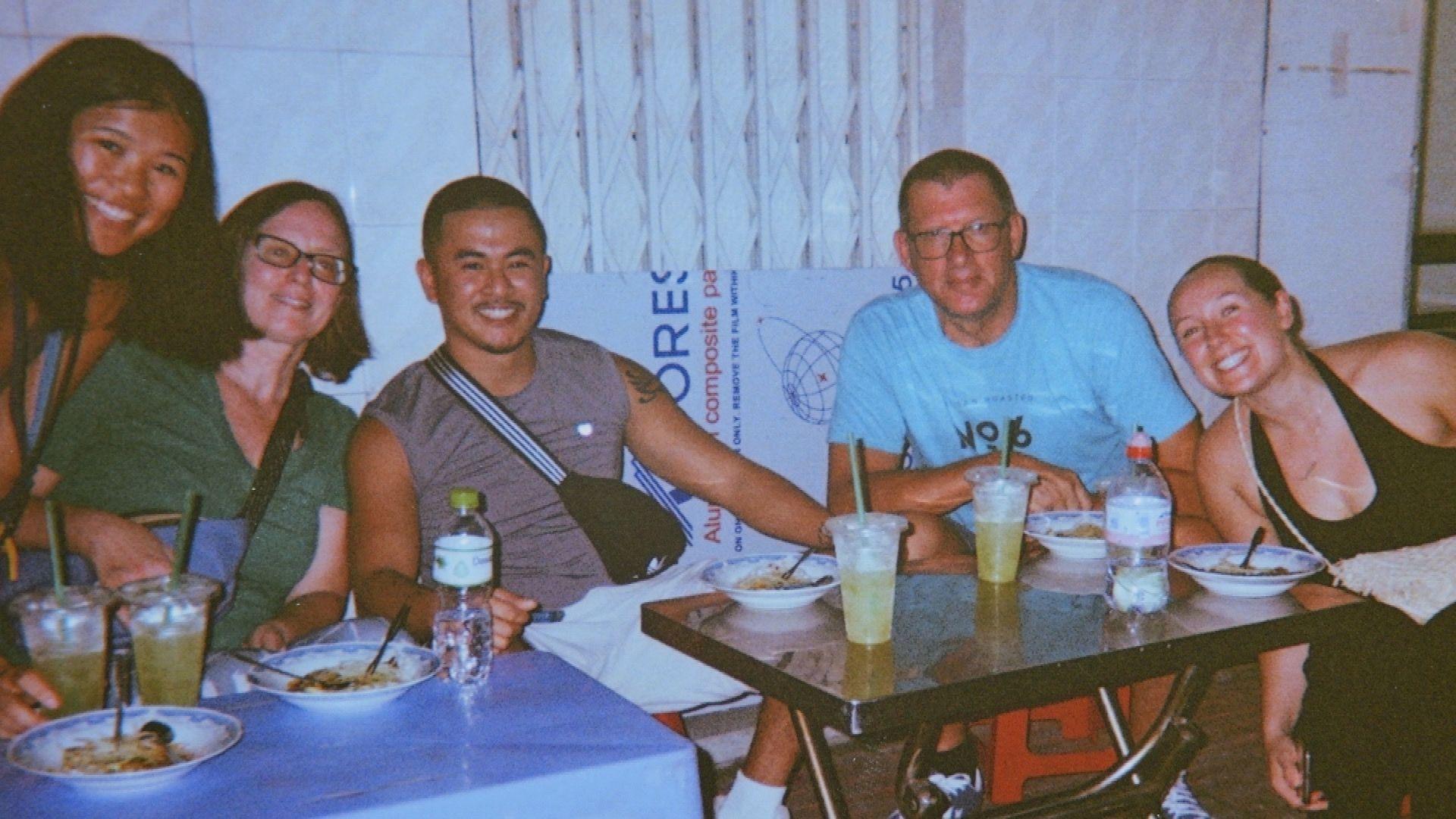
Ike expected to only meet his biological mother, but was instead greeted by his siblings, cousins and grandmother.
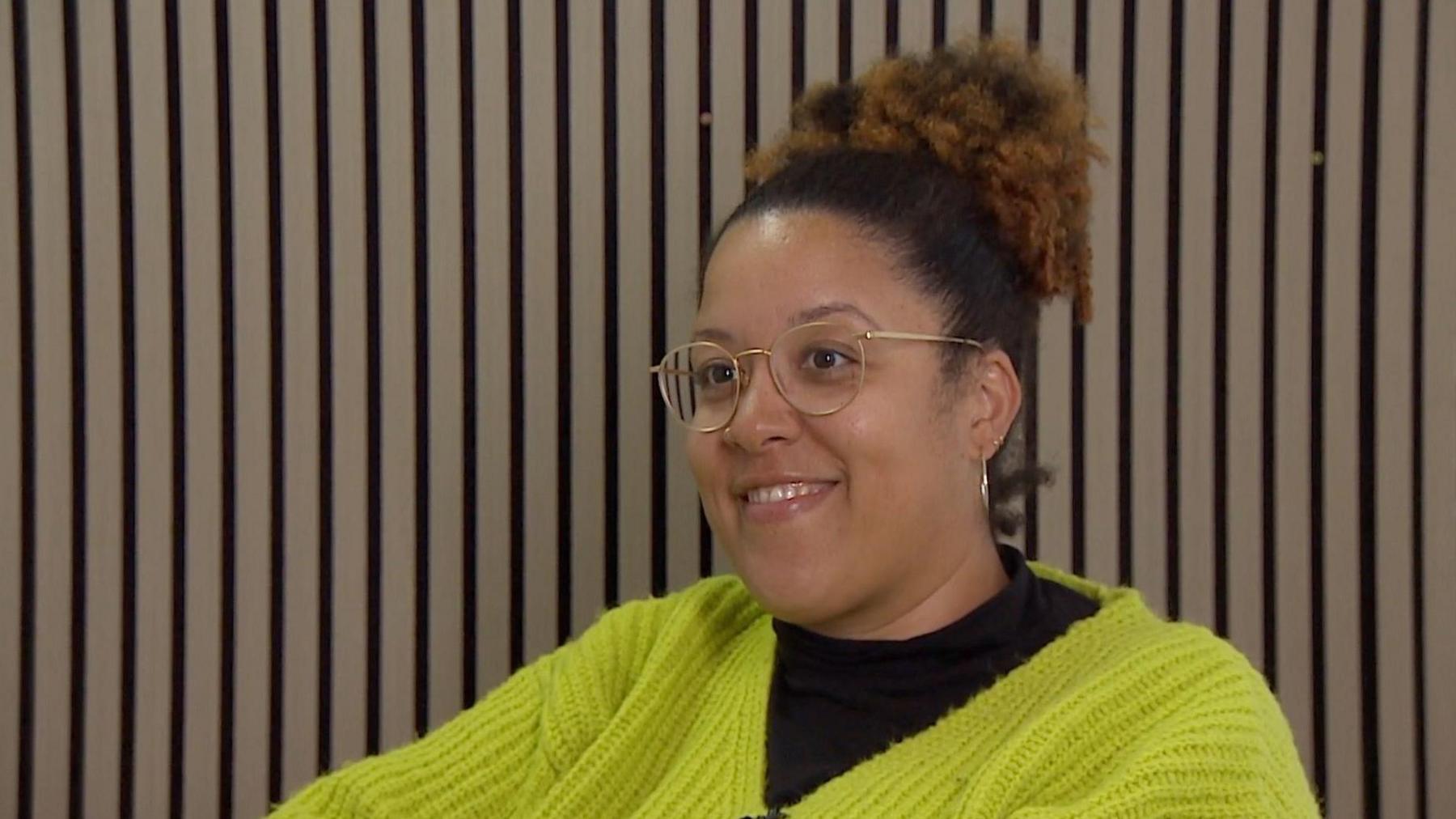
Psychotherapist Kimberly Fuller said his experience reflects the complex identity questions many internationally adopted people can face in adulthood.
She said adopted children can struggle with “identity and a sense of belonging”, particularly as they reach adolescence and later life.
“For some children they can kind of blend in with their families and people don’t necessarily know that they’re adopted, and they can hide that part of their identity.
“However if it’s a transracial adoption it’s really hard to do that from the outset, you’re already different and then there’s an added obvious difference in that you look different to your family,” she said.
That can mean people ask questions without considering how that feels or how that could be received, Fuller added.

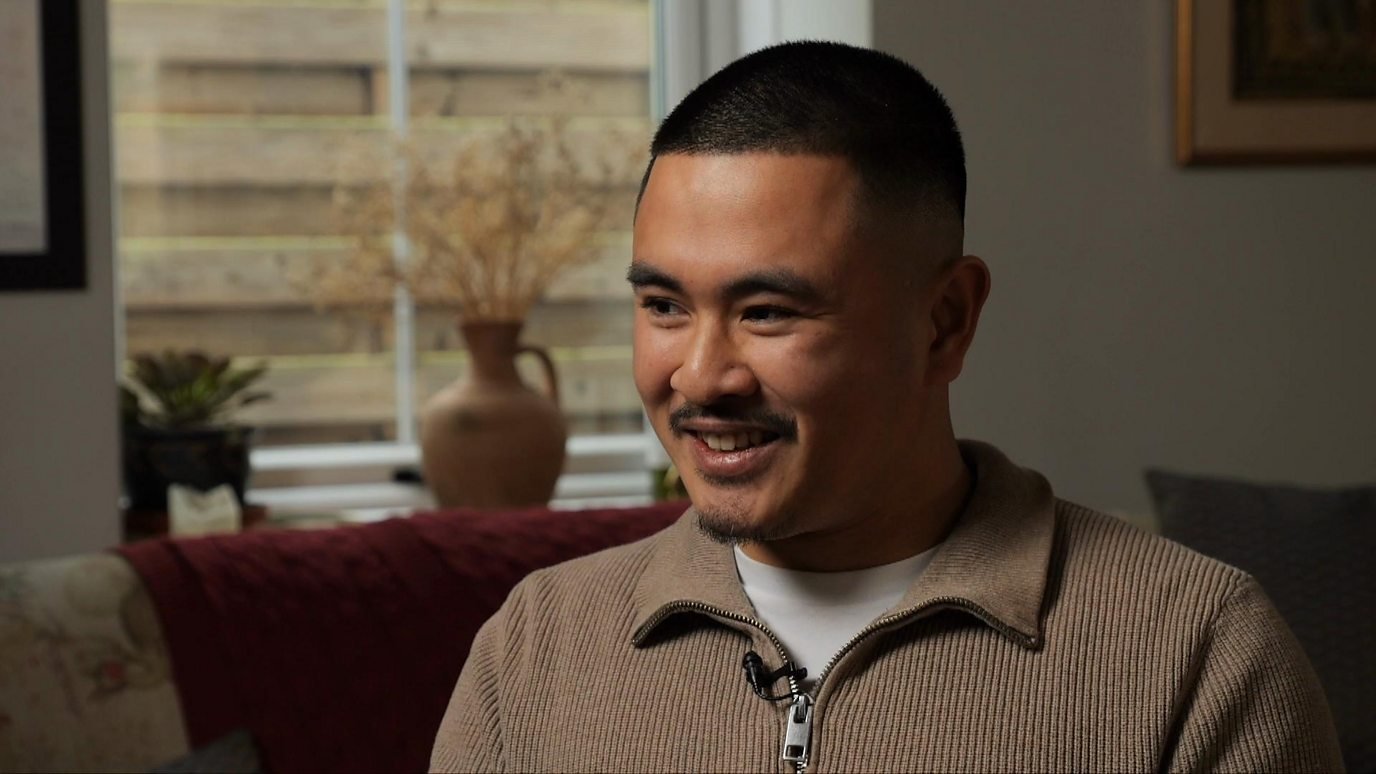
 Trushali
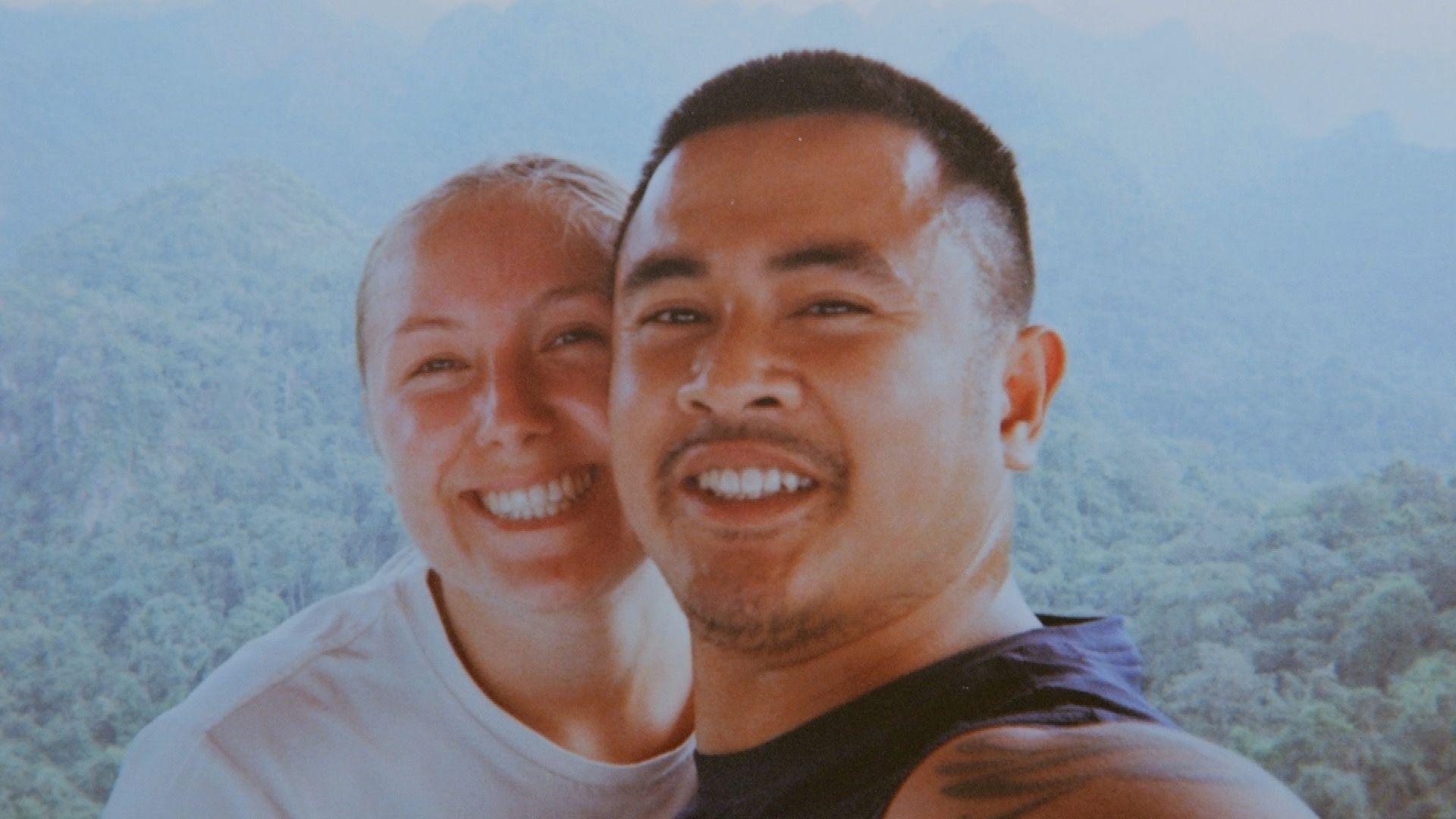 Ike travelled to Vietnam with his girlfriend to explore his culture