Few have played a more influential role in bringing attachment to the mainstream than Dr Amir Levine.
His book Attached, co-written with Rachel Heller, was first published in 2010 and has since sold millions of copies around the world.
But in his latest book, Levine shifts the focus from identifying attachment styles to ask a different question: how do you become secure?
Part of the answer, he argues, lies in what he calls “SIMIs” – seemingly insignificant minor interactions.
A text from a friend asking about your weekend. A smile from a stranger.
“The brain monitors small interactions all the time,” Levine says. “That’s what attachment is about. It’s a monitoring system for safety.”
And he says these interactions gradually shape what the brain expects from relationships.
Positive experiences build evidence that people can be trusted and relied upon, helping move someone towards what he calls “secure mode”.
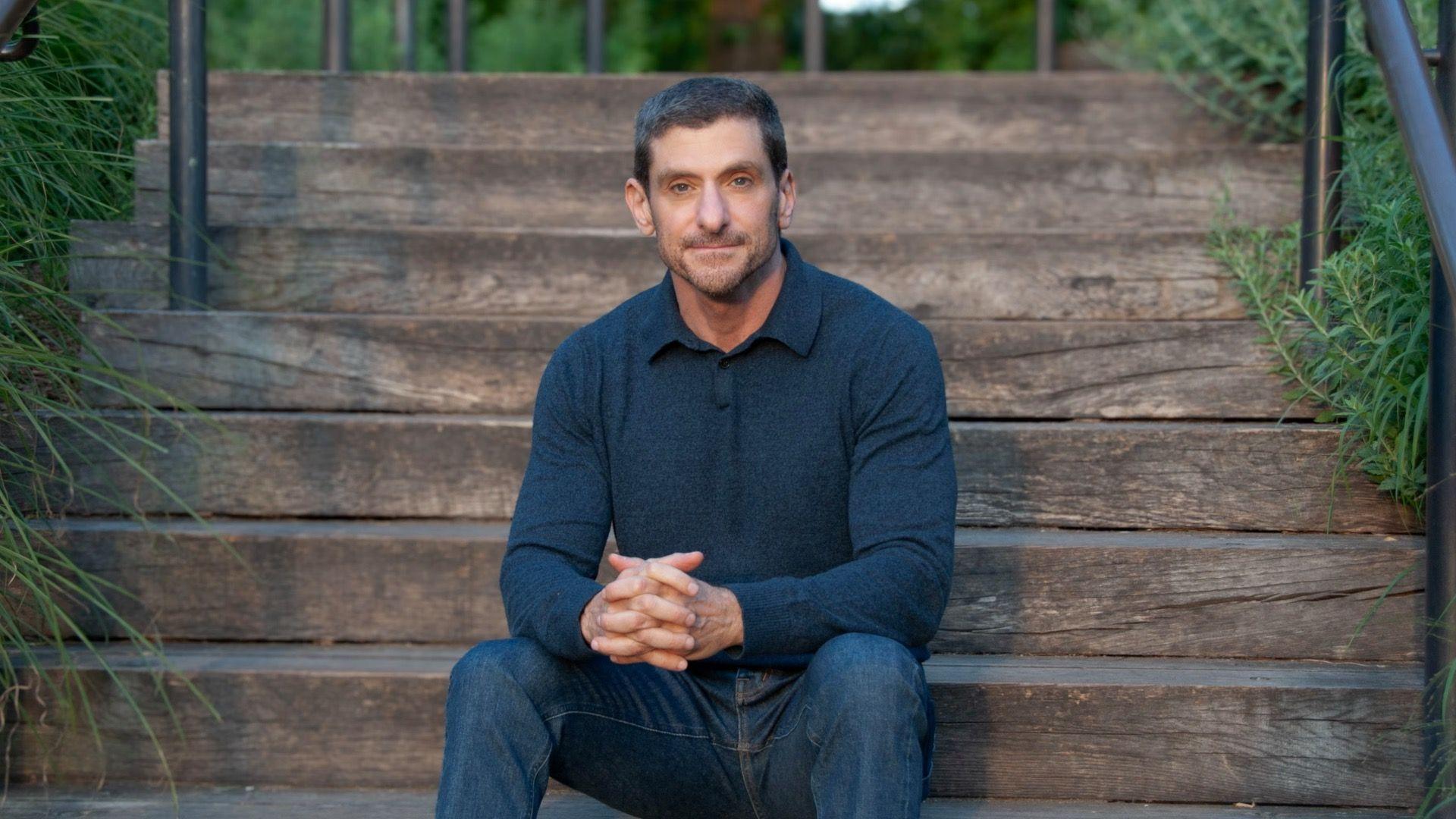
After helping millions identify their attachment style, Amir Levine is now focused on how those patterns can change
But equally, a delayed response or a friend failing to follow through on plans can trigger subtle stress responses in the nervous system.
Importantly, Levine says it’s possible to have different attachment styles with different people.
So he encourages people to identify the relationships in their lives that already make them feel safe and understood, and to use them “as a vehicle for becoming more secure overall”.
And the idea that security can be built through current relationships reflects a broader shift away from seeing attachment as just the result of childhood experiences.
For some, discovering attachment theory can involve re-examining family relationships, which can potentially lead to resentment. But Levine says “it’s not just about where you started, but what happens afterwards”.
“If that way of thinking helps you understand yourself and move forward, that’s useful,” he says.
“But if it makes you feel stuck or damaged, then it’s not accurate because people really can change.”
Levine also argues that insecure attachments can in themselves be strengths.
He says anxious people are often acutely tuned into relationships, spotting subtle shifts in mood, tone and behaviour that others miss, while avoidant people can be fiercely independent and perform well under pressure.
However, whilst Vrticka agrees that attachment styles shouldn’t be seen as either good or bad, he stresses they “come with certain risks and difficulties”, which he says shouldn’t be disregarded.
But both agree that attachment theory is most useful when it helps people understand patterns rather than define themselves.


 Trushali