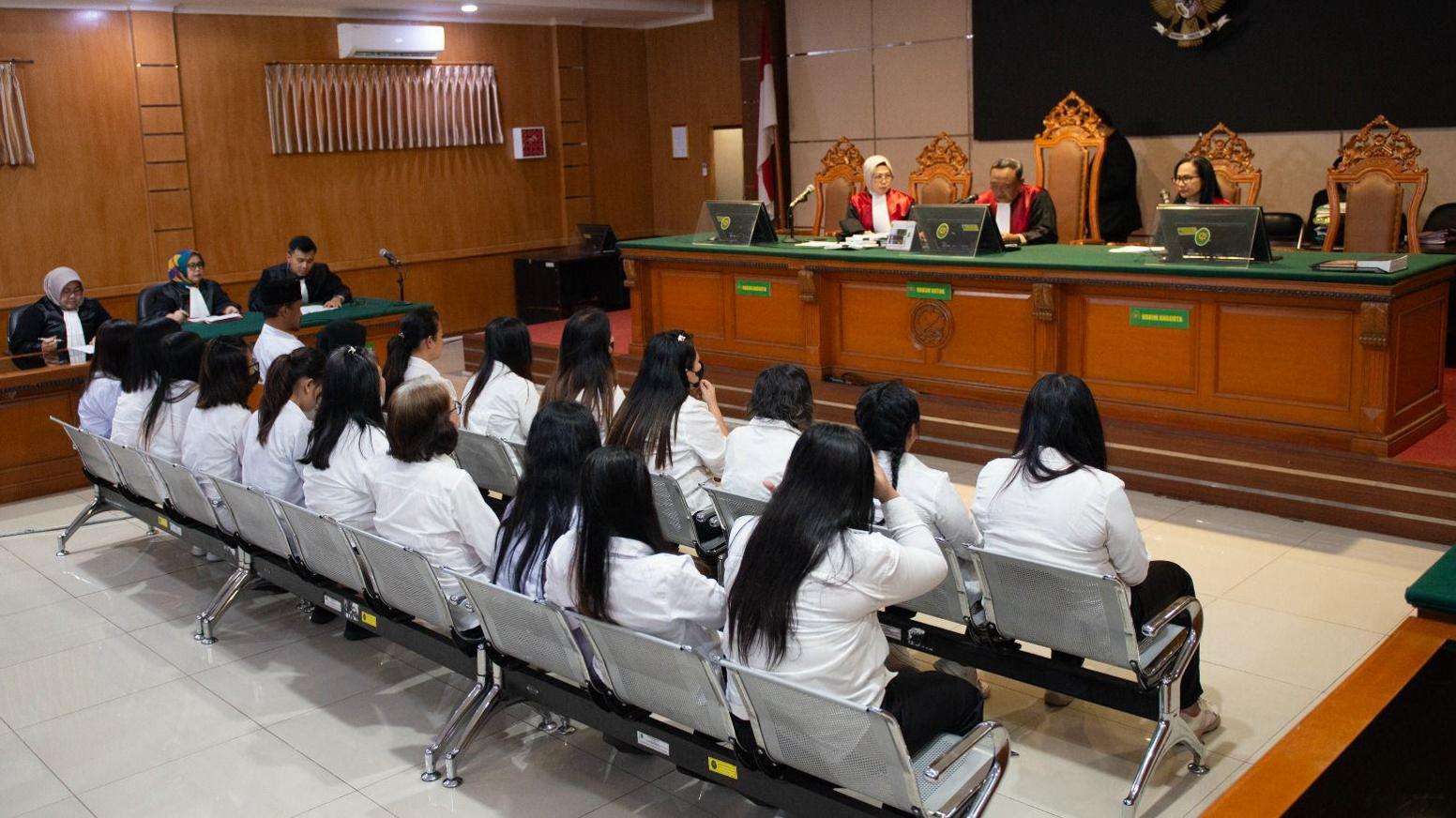
Annulling the adoptions in Singapore and returning the children to Indonesia will likely be complicated, as it goes into uncharted territory.
Lawyers told the BBC they had never heard of a case where an adoption order was revoked in Singapore.
With a framework that is designed with “substantial safeguards upfront” including numerous checks, “adoption orders in Singapore are generally treated as final”, said Derek Choo, an associate director with PKWA Law Practice.
If the government applies to revoke the adoption orders, the court could consider several factors, said Lim Fung Peen, a consultant with Yuen Law.
One is the psychological impact on the child, he said. Child psychologists had previously told the BBC that separating young children from their caregivers could have a lifelong impact on their mental health.
The duration that the child has spent in Singapore, and the family and living conditions the child would return to in Indonesia, could also be considered, according to Lim.
The babies are believed to have entered Singapore between 2023 and 2025, which makes the oldest among them at least three years old by now.
Another factor could be whether the basis of adoption is untrue, said Lim. In this case, the babies’ birth certificates have been proven to be fraudulent and thus a court could find the basis of their adoption “questionable”, he said.
Then, there are other challenges.
At least 12 babies are believed to be in Singapore already (file picture)
Indonesian authorities still have not identified all of the children’s birth parents. This means that some children may have no one to return to.
If they are returned, they would be placed into state care. At least eight other babies rescued from the trafficking ring are already in the care of an orphanage in Bandung.
“Suppose a child is recognised as a trafficking victim and returned to Indonesia, but nobody here knows who the biological parents are because our evidentiary system is weak,” said Puteri.
“I would argue that if the child has only known life in Singapore since infancy, then it makes more sense for the child to remain in Singapore with the adoptive parents.
“However, if the biological parents are later identified, the child should still have the right to know who they are.”
With the verdict, Singapore should now treat these children as victims of trafficking and thus give them protection, she argued.
“Protection should also extend to the adoptive parents because they too may have had no idea what had happened,” she added.
David, the Singaporean parent, said that he and his wife only wish to “live a normal family life, like any other couple hoping to raise a child in a safe, stable, and loving home.
“We hope that this matter can now be brought to a resolution so that our son can move forward with certainty and security.”
Additional reporting by Farida Susanty of BBC Indonesian.

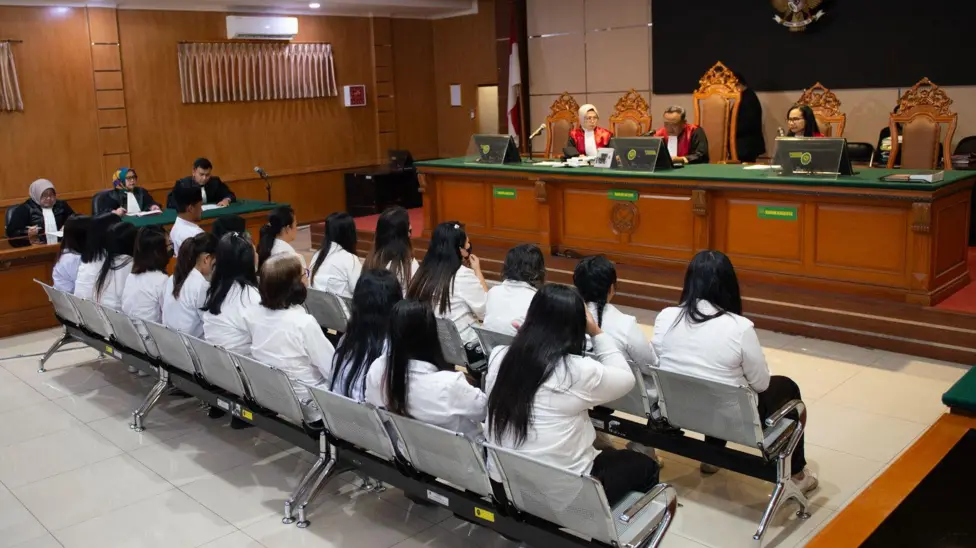
 Trushali